
Water Supply Storage Reallocation · U.S. Army Corps of Engineers
Reallocations are a marriage of law and engineering. Outcomes are decided by technical, strategic, and policy choices made years earlier.
Storage in a federal reservoir is finite, already spoken for, and defended by everyone who currently benefits from it. We have completed more Corps reallocations than any firm in the nation — including the largest and most fiercely opposed in Corps history.
Why reallocations are different
You are not asking for water. You are asking for storage utilized by other purposes.
The Corps does not allocate water — it allocates storage space in its reservoirs. Water rights come from elsewhere. That distinction is not a technicality: it determines what you are actually buying, what it costs, what the Corps has authority to grant, and how the request must be framed from the first conversation.
Every acre-foot of that storage is already serving an authorized purpose — flood risk management, hydropower, navigation, recreation, downstream flow. Adding or expanding municipal and industrial supply means revisiting the balance among the project’s other authorized purposes, and the beneficiaries of those purposes take an active interest in the outcome.
What follows is a marriage of technical and legal work, governed as much by Corps policy and practice as by the statute itself. Whether the Corps can approve a request administratively, what volume is defensible, and whether the decision holds up on review all turn on the technical analysis — and on strategic and policy choices made early in the study, usually long before anyone is thinking about how the record will be read.
These are long efforts. Reallocations commonly take more than a decade from first request to signed storage agreement. Sponsors who wait until the need is pressing to commence a study have waited far too long.
The best time to start a reallocation was twenty years ago. The second best time is now.
The statutory fork
One sentence in the Water Supply Act determines who can say yes.
Under Section 301 of the Water Supply Act of 1958, the Corps may add municipal and industrial storage to an existing reservoir. But if the change would seriously affect the project's authorized purposes, or involve major structural or operational changes, only Congress can approve it. Congress never defined either phrase. The test the Corps applies today was shaped by litigation and standardized in Headquarters guidance — and how it applies to a particular request is where reallocations are won, lost, and litigated.
The request
A sponsor asks the Corps to reallocate a volume of storage to water supply, with a demand projection, a hydrologic analysis, and a price.
Would it seriously affect authorized purposes, or involve major structural or operational changes?
If noThe Corps may act
Administrative approval through a reallocation report, NEPA compliance, and a Record of Decision — then storage agreements and pricing.
If yesOnly Congress may act
The path runs through a Water Resources Development Act, on Congress's schedule rather than yours.
Either answer can be challenged in court, and the contested ones usually are. Opponents argue the reallocation crosses the threshold; sponsors argue it does not. How the volume is characterized, how demand is projected, whether return flows and made inflows count, and how effects on downstream purposes are measured all feed that single question — which is why the analysis must be structured correctly from the outset and the record built to support the conclusion. Once the record is closed it is too late.
Keeping a study on track
Knowing when and where to push, and how hard.
Knowing the statute is the beginning. What actually governs a reallocation day to day is the layer beneath it: Corps policy, engineering regulations, guidance, legal interpretations, and the practices a particular district has developed over years of applying them.
Reallocations are rarely defeated outright. They get thrown off track — by obstacles that are real, and by obstacles that only appear to be. A requirement that does not actually apply. A precedent remembered imprecisely. An assumption nobody thought to test. Reallocations are uncommon enough that familiarity with them varies widely, and the misunderstanding can sit anywhere: with the sponsor, with its consultants, or within the Corps itself.
Getting past that takes more than being right. It takes knowing the legal boundaries, the applicable policies, and the agency's own priorities and sensitivities well enough to judge which objections must be answered, which can be resolved, and which simply need a different route around them — and, just as often, which are worth raising now and which are better left until the record has caught up with them. Pressing a sound point at the wrong moment can harden a position that would have softened on its own. Much of our work is exactly that: identifying the obstacle early, naming it accurately, and choosing the moment to take it on.
The obstacle is the way.Client, on a reallocation study
What we handle
From the first demand projection to the last contract amendment.
Reallocation work does not end at the Record of Decision. The price you pay, your annual charges, and whether the decision survives review are all separate questions, and each one carries significant cost implications for your organization.
Authority & strategy assessment
Whether your request can be approved administratively or needs Congress, what volume is defensible, and whether reallocation is even the right instrument compared with a storage contract, surplus water agreement, or new supply.
Study development & oversight
Demand projections, hydrologic and yield analysis, effects on authorized purposes, and NEPA documentation — developed so the technical record supports the legal conclusion the sponsor needs it to support.
Return flows & made inflows
We secured reversal of longstanding Corps policy against crediting return flows and made inflows — a national policy change that lets providers count reclaimed water and engineered inflows toward their supply.
Storage pricing & agreements
Negotiating what storage costs and what the perpetual operations and maintenance obligation looks like. On one matter we cut the price by millions and halved the recurring O&M bill.
Litigation
Defending reallocations and water control manuals against challenges by neighboring states, power interests, and environmental groups — in district court, on appeal, and through multidistrict litigation.
WRDA & policy
When the administrative path will not work, we draft and secure the statutory language that will — and we help shape national water supply policy through the National Water Supply Alliance.
Record of success
Including the largest reallocation in Corps history, and the most contested.
A selection of matters, some concluded and some still moving. Reallocations run on decade-long horizons, and we have others underway at reservoirs across the country.
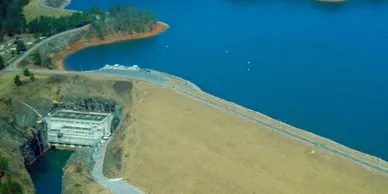
Lake Lanier
The largest reallocation of storage in Corps history, secured for Metro Atlanta water providers over sustained interstate opposition. The related litigation established that Lanier was authorized for water supply and vacated an injunction that had threatened supply for the entire region.
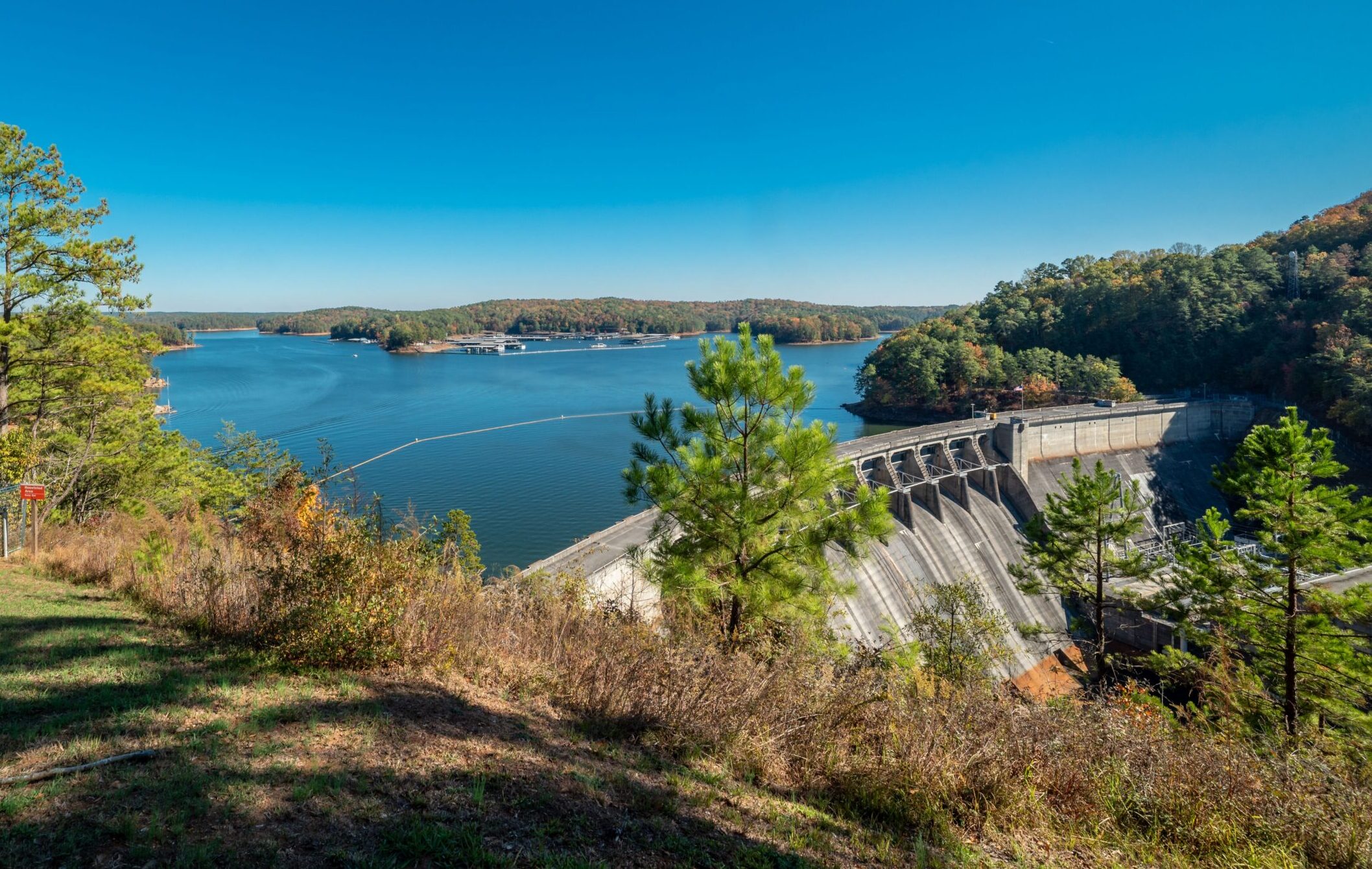
Allatoona Lake
A reallocation obtained after litigation established that the Corps had unreasonably withheld action on the sponsors' water supply requests. The resulting decision also recognized rights to made inflows — reclaimed water and engineered returns — and was upheld when Alabama's challenge to the storage contracts was dismissed.
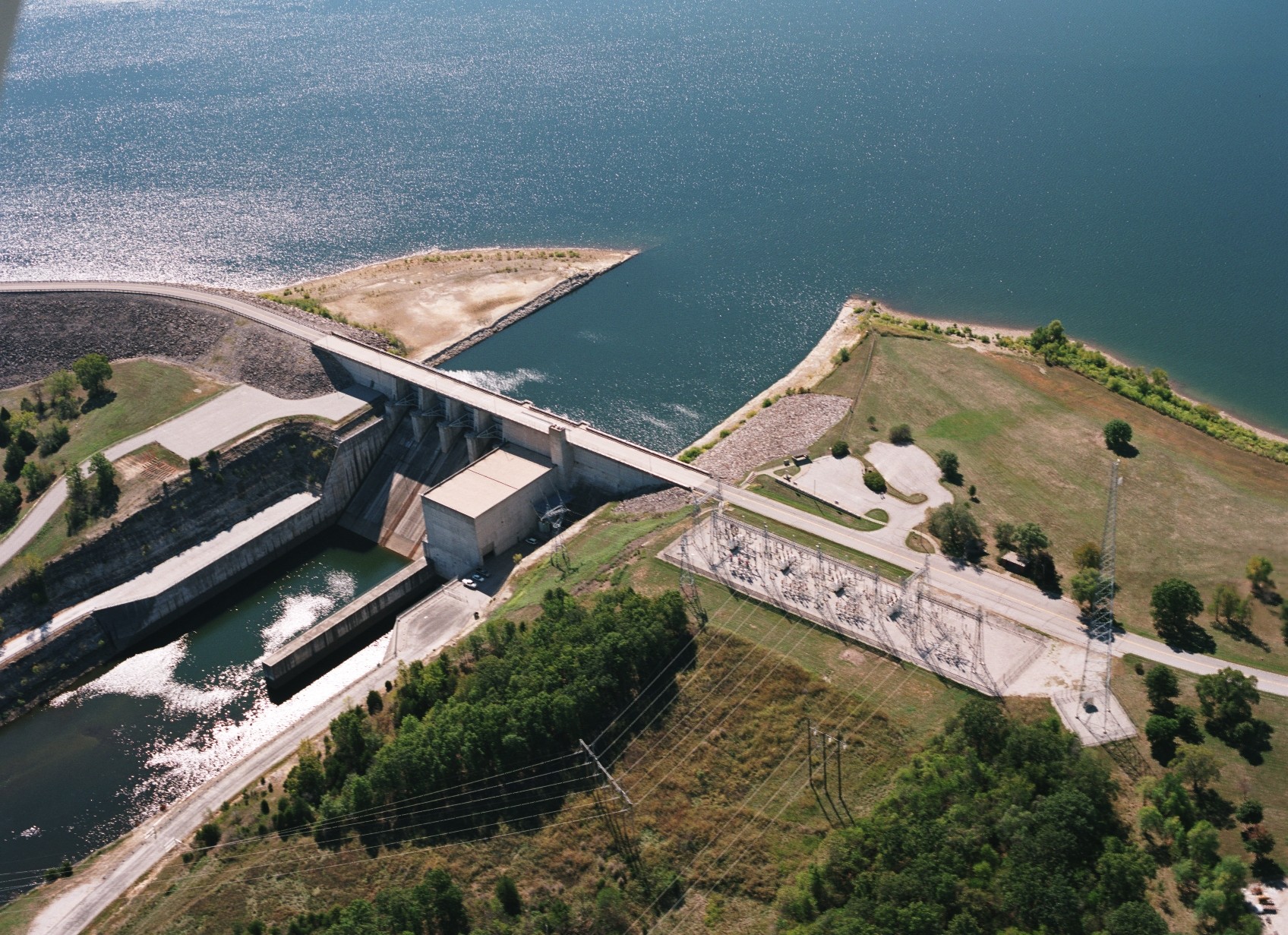
Stockton Lake
A reallocation for the Joint Municipal Utility Commission of Southwest Missouri, opening supply for communities across the region. We then negotiated and secured a provision of the Thomas M. Carper Water Resources Development Act of 2024 allowing the reallocation to be approved without litigation, saving the client tens of millions of dollars.
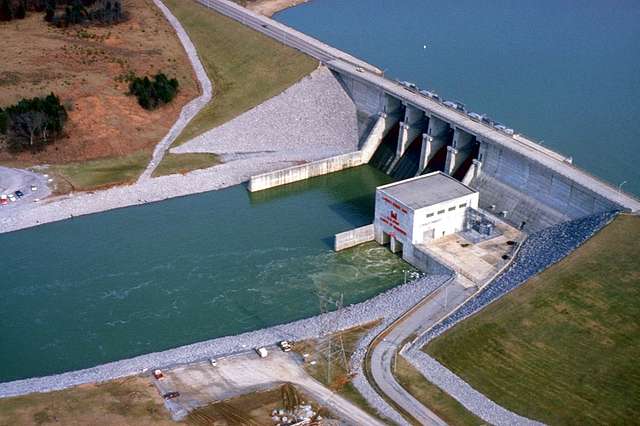
J. Percy Priest Lake
A reallocation for the City of Murfreesboro and the Consolidated Utility District of Rutherford County, including credit for return flows — extending the reservoir's usable supply for a fast-growing service area.

Whitney Lake
A Director’s Report recommending a large reallocation, secured over strong opposition from hydropower interests. The report is now before the Assistant Secretary of the Army for Civil Works for approval.
Who does this work
The lawyers on the call are the ones who argued the cases.
No lawyers in the country have more experience with Corps reallocations than Lewis Jones and John Fortuna, and they have worked these matters as a team from the start. As one client told Chambers, “Lewis Jones and John Fortuna are a powerhouse team.”

Lewis B. Jones
Managing Partner
Lewis Jones is an excellent lawyer who always brings sound and sophisticated legal analysis to the table. Client, Chambers and Partners
Lewis advises water utilities on supply, permitting, compliance, and rate setting, and works across the Corps' civil works and regulatory programs as well as with FERC and the Fish and Wildlife Service on reservoir permitting, management, and contracting. He holds a master's degree in ecology alongside his law degree, is a Fellow of the American College of Environmental Lawyers, and is recognized in Chambers USA (Environment).

John L. Fortuna
Managing Partner
John is a great legal mind and a strong advocate with practical insight. Client, Chambers and Partners
John litigates environmental matters in federal and state court and in administrative proceedings, with substantial experience permitting and defending water rights and water supply projects. He also advises clients on complex Corps studies, environmental permitting, and project development. John is recognized in Chambers USA (Environment), Best Lawyers (Environmental Law, Water Law, and Environmental Litigation), and SuperLawyers (Environmental Litigation).
Together
What the partnership has secured.
Two decades representing water providers in the Tri-State Water Wars across the ACF and ACT basins, and a reallocation practice that spans completed matters, studies now in progress, and requests still being scoped.
- The largest storage reallocation in Corps history at Lake Lanier, and the related reallocation at Allatoona
- Reversal of longstanding national Corps policy against crediting return flows and made inflows
- Dismissal of Alabama's challenges to the Allatoona storage contracts and made-inflow credit
- Dismissal of challenges to the ACT and ACF master water control manuals
- Appellate ruling establishing that Lake Lanier was authorized for water supply, vacating an injunction that threatened Metro Atlanta's supply
- Creation of and continuing support for the National Water Supply Alliance
They have an outstanding ability to handle the most complex matters involving water law and water supply. They are widely recognized as the ‘best in the business.’ Client, Chambers and Partners

Jeremy M. LaDart
Water Resources Planner & EconomistTwenty-three years at USACE, including Headquarters policy work on reallocations in the ACF and ACT basins, the Willamette Basin Review, and the Missouri River system. Biography
Common questions
What sponsors ask first.
What is a water supply storage reallocation?
It is a decision by the Corps to convert storage in an existing federal reservoir from one authorized purpose to municipal and industrial water supply, under Section 301 of the Water Supply Act of 1958. The sponsor pays for the storage and takes on a share of the reservoir’s ongoing operations and maintenance costs.
We already have an engineering firm. What do we need lawyers for?
Almost nothing in a reallocation is purely technical or purely legal. What volume to request, how demand is projected, whether return flows and made inflows are counted, how effects on the project’s other authorized purposes are characterized, whether the request stays on the administrative side of the statutory threshold — the answer to each of those questions is part technical and part legal, and each one determines what the Corps has authority to approve and whether the decision holds up on review. Building the analysis toward a conclusion the law can support is essential, and that is far easier to get right at the outset than to correct at the end.
How do we know whether we need congressional approval?
That turns on whether the reallocation would seriously affect the project’s authorized purposes or involve major structural or operational changes. Neither phrase is defined by statute. The test the Corps applies today was established in response to litigation we brought at our prior firm, has since been standardized in guidance from Headquarters, and we have successfully defended it in multiple courts. We understand intimately how it is applied because we helped develop it — and the answer for your reallocation determines the entire path forward.
Why pursue a reallocation instead of building new storage?
Cost, usually, and impact. A reallocation makes fuller use of infrastructure that already exists. The next least-cost alternative is often a new reservoir carrying a price in the hundreds of millions or billions, a substantial environmental footprint, and a permitting timeline of its own. New reservoirs remain necessary in many places and we help clients develop them — the two paths are complements, not rivals. But where an existing project can be made to meet a growing need, the avoided cost, economic and environmental alike, is considerable.
Can we count reclaimed water returned to the reservoir?
Corps policy long said no. That policy was reversed, and return flows and made inflows can now factor into how much supply a reservoir yields. For providers investing in reuse, this changes the arithmetic substantially — and it is worth confirming how the current policy applies to your specific system.
How long does a reallocation take?
Longer than almost anyone expects. More than a decade is common from first request to signed storage agreement, and contested matters run longer still. That timeline is the strongest argument for starting before the need is urgent: the analysis, the coordination, and the policy questions all take the time they take, and a sponsor who begins early has room to make good choices rather than fast ones.
How is this different from a Section 203 study?
Section 203 lets a sponsor fund and lead a feasibility study for a new project. A reallocation redistributes storage in a reservoir that already exists. Different authority, different process, sometimes complementary. More on our Section 203 practice.
Start the conversation
Bring us the reservoir and the supply you need to secure.
Whether you are scoping a request, midway through a study, facing a challenge to a decision already made, or trying to work out what your storage should actually cost, a short call will tell you where you stand.